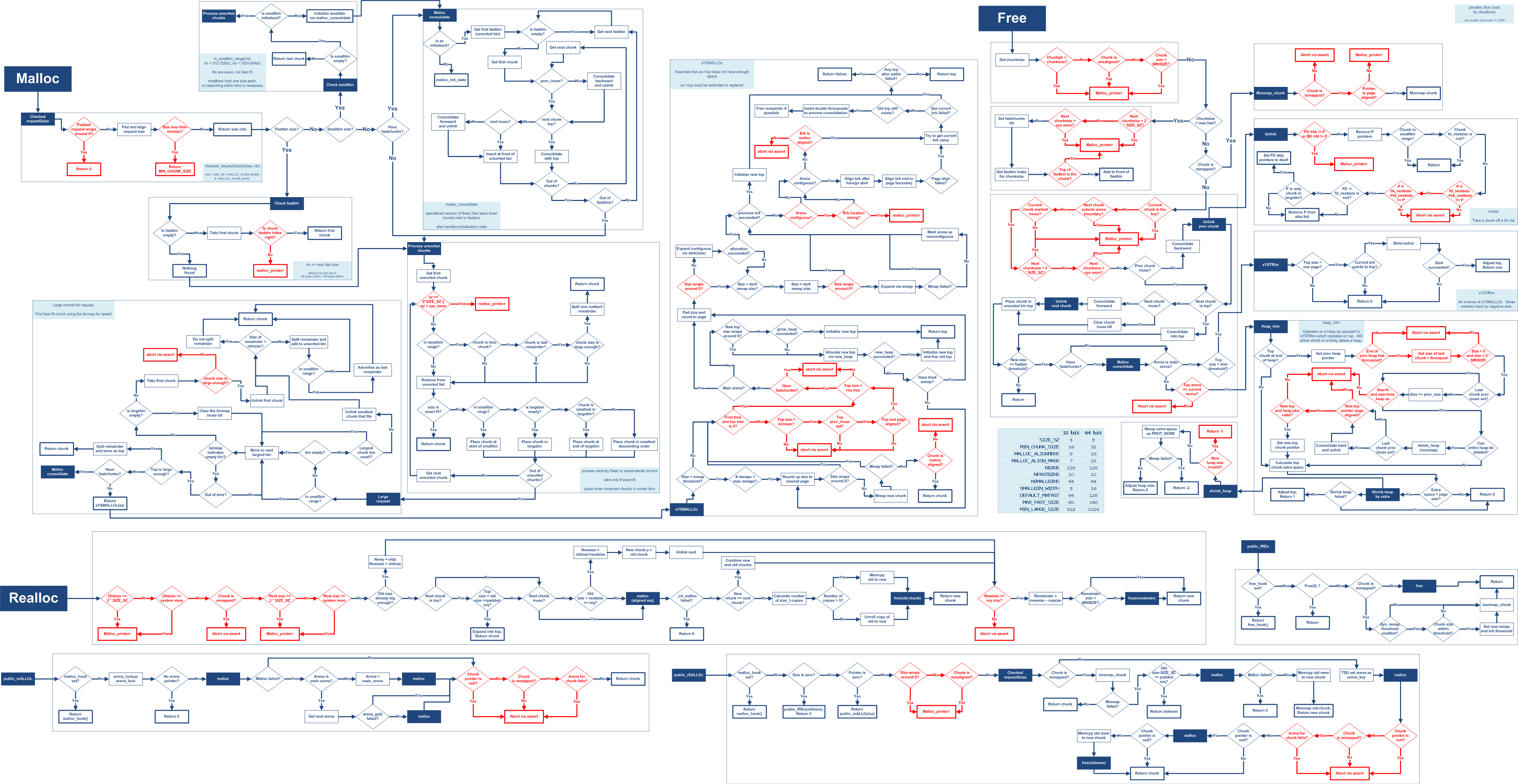
When you put data on the heap, you request a certain amount of space. The memory allocator finds an empty spot in the heap that is big enough, marks it as being in use, and returns a pointer, which is the address of that location.
Because the pointer to the heap is a known, fixed size, you can store the pointer on the stack, but when you want the actual data, you must follow the pointer.
Pushing to the stack is faster than allocating on the heap because the allocator never has to search for a place to store new data; that location is always at the top of the stack. Comparatively, allocating space on the heap requires more work because the allocator must first find a big enough space to hold the data and then perform bookkeeping to prepare for the next allocation.
Accessing data in the heap is slower than accessing data on the stack because you have to follow a pointer to get there. Contemporary processors are faster if they jump around less in memory.
https://raw.githubusercontent.com/cloudburst/libheap/master/heap.png
https://maxwelldulin.com/BlogPost/House-of-IO-Heap-Reuse